
Saudi Arabia has increased its film rebate to 60%. This change will significantly benefit local filmmakers.
Saudi Arabia has raised its film rebate incentive to 60%, creating major opportunities for filmmakers, production companies, and creative talent across the Kingdom’s growing cinema industry.
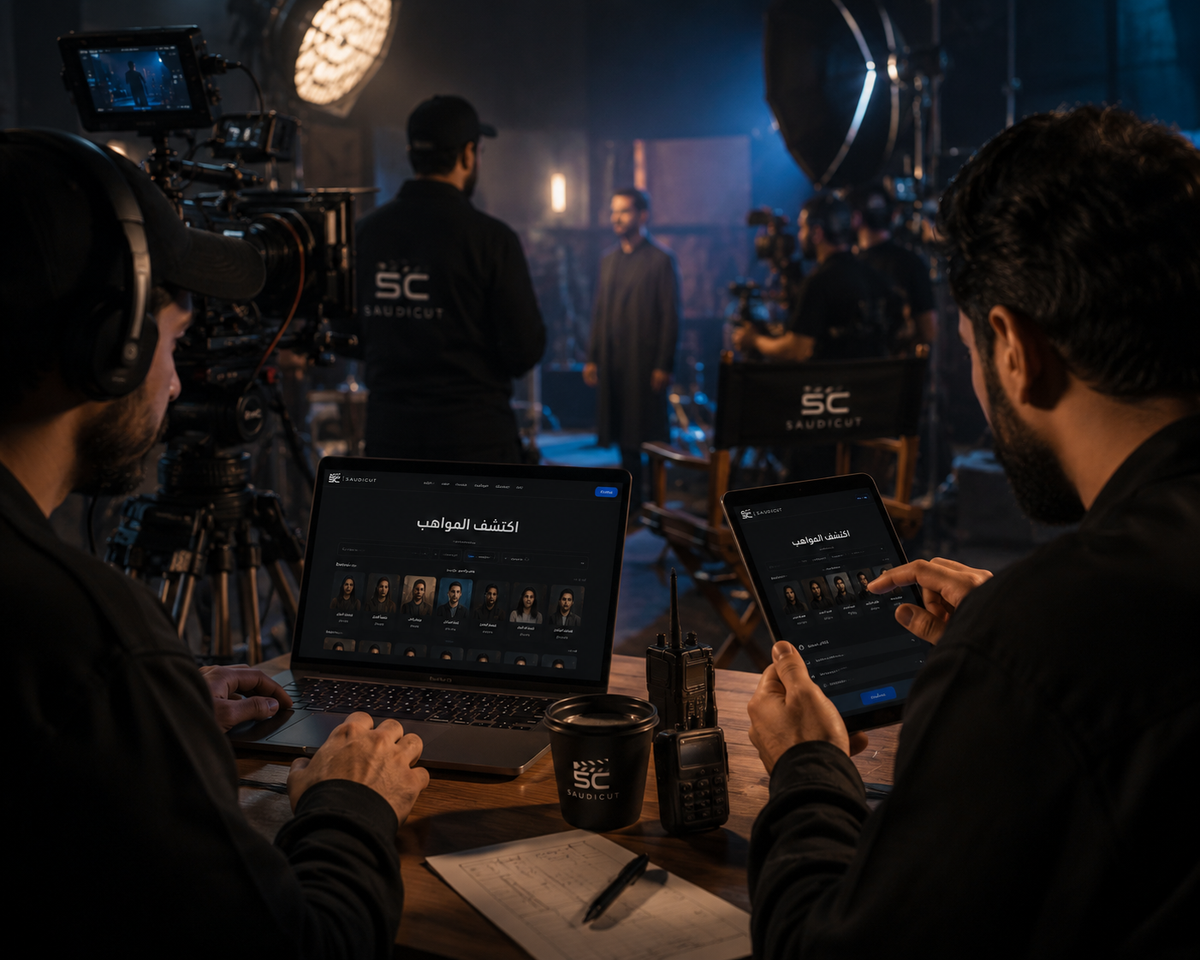
For years, Saudi filmmakers faced a difficult equation. Big stories. Limited infrastructure. Small budgets. And very few financial systems are designed to support long-form production at scale. That equation is starting to change fast. At the 79th Cannes Film Festival, the Saudi Film Commission officially announced a major update to the Kingdom’s film incentive program: eligible productions can now receive up to 60% cash rebate support on qualified production expenditures inside Saudi Arabia.
That is not a small policy adjustment. It is one of the strongest film incentive programs in the world. And for local filmmakers, this could become a turning point.
Saudi Arabia Is No Longer Just Opening Cinemas
The conversation around Saudi cinema used to focus on one milestone:
The reopening of cinemas in 2018 after a 35-year ban. But today, the industry has moved far beyond that stage.
Saudi Arabia is now actively building production infrastructure, studio ecosystems, local crew capabilities, incentive systems, training pipelines, and international production partnerships.
The rebate increase signals something important: Saudi Arabia does not only want to host films. It wants to become a global filmmaking destination.
What Does a 60% Film Rebate Actually Mean?
In practical terms, productions that incur costs within Saudi Arabia may now recover up to 60% of eligible expenses through the incentive program.
Eligible costs can include local crew hiring, equipment rentals, filming locations, travel expenses, production services, Saudi-based vendors, and operational production costs.
For filmmakers, this changes budgeting entirely. A project that once felt financially impossible may suddenly become realistic. A director who previously needed to shoot abroad may now choose to shoot locally. A Saudi producer pitching investors now has stronger financial leverage from day one. That changes confidence. And confidence changes industries.
Why This Matters for Saudi Filmmakers Specifically
International productions will absolutely benefit from this. But the biggest long-term impact may happen locally. Because every major international production entering Saudi Arabia creates new jobs, training opportunities, technical exposure, vendor growth, and creative collaboration opportunities for Saudi talent.
We already saw early signs of this with productions like Desert Warrior, which helped expand local production experience and crew development inside the Kingdom. Now imagine that happening repeatedly across feature films, streaming productions, documentaries, commercials, and episodic series. That creates compounding industry growth.
The Real Opportunity Is the Ecosystem Around Film
When people think about cinema, they usually think about actors and directors. But film industries are built by ecosystems.
A stronger production economy creates opportunities for cinematographers, editors, assistant directors, stylists, lighting technicians, production designers, writers, sound engineers, casting directors, composers, VFX artists, and location scouts.
Saudi cinema will not grow because of one film. It will grow because thousands of creative professionals begin building careers around a sustainable production economy. That is the bigger story behind the increase in rebates.
Saudi Arabia Is Entering a New Phase of Cinema
The first phase was reopening cinemas. The second phase was proving that Saudi stories could exist. The next phase is infrastructure. Financial systems. Talent systems. Production systems. Industry systems.
That is what transforms filmmaking from isolated projects into a real cinematic economy. And for Saudi filmmakers, this moment matters. Because, for the first time, the industry is beginning to build not only screens for stories but also systems that make those stories possible.